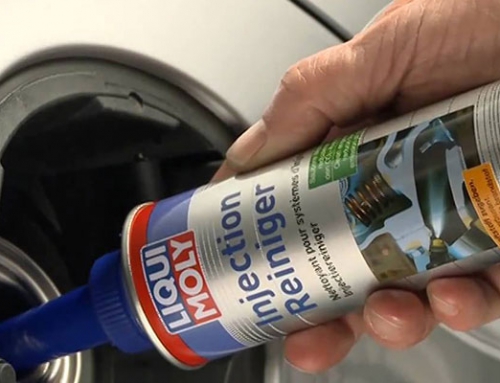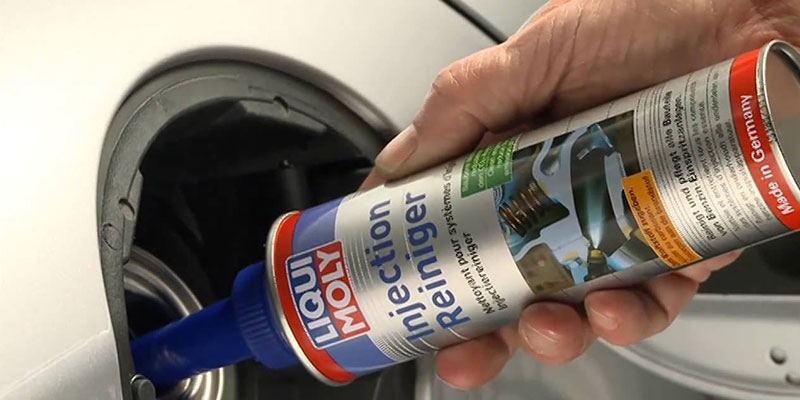
Of all the various chemical and lubricant additives on your auto parts store’s shelves, the one category that takes up the most real estate is fuel treatments. They promise better mileage, improved performance and smoother-running engines, along with cleaning pistons and valves of carbon deposits. But for just about anything on the road – with limited exceptions – none of these treatments are necessary to keep fuel injection and delivery systems (and engines themselves) working properly.
Some notable exceptions are diesels that operate in extremely cold temperatures. With certain vehicle configurations – think cargo trucks with long exposed runs of fuel lines between the tank and the engine bay – even properly refinery-treated diesel fuel can gel or get too thick when exposed to sub-zero temperatures. There is a host of different fuel additive products designed to overcome this; most contain a combustion-power booster known as cetane, which is to diesel fuel as octane is to gasoline.
When used in the proper concentrations, many of these additives can help to ensure reliable cold starts and operation. But if a little cetane additive is good, too much is definitely not better. Excessive concentrations of cetane can cause internal engine and fuel system damage, so it’s important to follow package instructions and know with some relative accuracy how much fuel is already in the tank before adding cetane.
One additive that fuel refiners have been putting in their recipes for a few years now is causing more than a few headaches, and that’s ethanol. You can read all the nasty things that ethanol can do to certain vehicles in many online articles, but suffice it to say, it’s a big reason fuel treatment additives are flying off the shelf. However, there are some misconceptions about the need to combat the drying and rust-creating effects of ethanol.